
If you run an HVAC company and spend money on marketing, you need to know what each lead actually costs. Without that number, you cannot make smart decisions about where to put your budget, which channels are working, and whether your marketing is generating profit or just activity.
Most HVAC contractors spend thousands every month on Google Ads, SEO, and other lead sources, but very few can say with confidence what they are paying per lead or per booked job. That makes it impossible to scale what works and cut what does not.
This article breaks down the real HVAC lead generation cost by channel, explains what drives those costs up or down, and gives you practical ways to improve your return on every marketing dollar. Whether you are already running campaigns or planning your first one, this will give you the benchmarks and framework to make better decisions.
For a transparent breakdown of what lead generation actually costs in your market, talk to us about our HVAC marketing services and we'll walk you through the numbers.
What Is a Good Cost Per Lead for HVAC?
There is no single number that works for every HVAC company. A good cost per lead depends on several factors specific to your business:
- Average job value - A $200 lead may be too expensive for a $150 diagnostic call, but very profitable for a $10,000 system replacement.
- Gross profit margin - Higher margins mean you can afford to spend more per lead and still be profitable.
- Close rate - If your team closes 30% of leads versus 15%, your effective cost per customer is half.
- Lead quality - A lead that is ready to buy today is worth far more than someone browsing for information.
- Service type - Repair leads, maintenance leads, and installation leads all have different values.
- Customer lifetime value - One installation customer can turn into years of maintenance contracts and referrals.
For most HVAC companies, the typical cost per lead across paid channels falls between $50 and $200, depending on the channel, market, and service type. But the number that matters most is not your CPL alone. It is your cost per booked job and the profit that job generates.
A $150 lead that turns into a $12,000 installation is a better investment than a $30 lead that never answers the phone.
Important note: HVAC lead costs vary significantly by market, season, competition level, service type, offer strength, website quality, landing page performance, and tracking setup. The ranges in this article are general benchmarks, not guarantees of what you will pay.
Average HVAC Lead Cost by Marketing Channel

Different marketing channels produce leads at different costs and quality levels. Here is a general comparison of what HVAC companies can expect to pay per lead on each major platform:
- Google Ads - Typical HVAC CPL: $80 to $150+ - Best for high-intent service calls (repair, replacement, emergency)
- Google Local Services Ads - Typical HVAC CPL: $25 to $75+ - Best for phone calls from homeowners actively searching
- Facebook Ads - Typical HVAC CPL: $25 to $75+ - Best for tune-ups, maintenance plans, seasonal promotions, retargeting
- SEO (organic search) - CPL decreases over time as rankings improve - Best for long-term lead flow without paying per click
These ranges are benchmarks based on what we see across HVAC campaigns. Your actual costs will depend on your market, competition, campaign setup, and how well your landing pages convert. The sections below break down each channel in more detail.
Google Ads CPL for HVAC
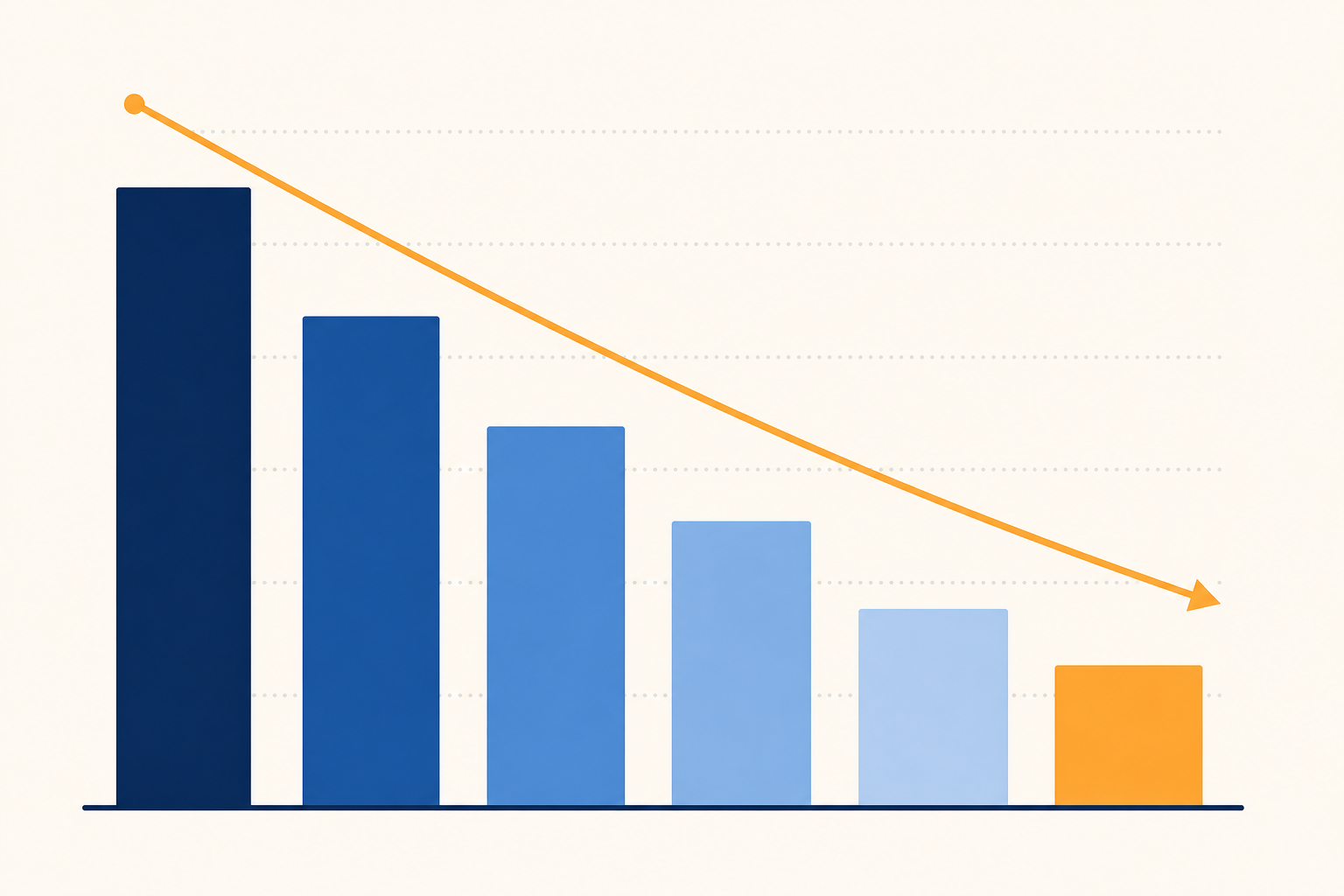
Google Ads is where most HVAC contractors get their leads because it captures people at the moment they need service. When someone searches "AC repair near me" or "emergency furnace repair," they are ready to hire. That high intent is why Google Ads works, but it is also why it costs more than other channels.
The typical HVAC Google Ads cost per lead ranges from $80 to $150+, depending on your market, keywords, and campaign structure. Some high-competition metros push CPL above $200 for premium keywords.
High-intent keywords that tend to drive the most valuable leads include:
- AC repair near me
- Emergency AC repair
- Furnace repair
- AC installation
- HVAC replacement
- Heating and cooling service
Emergency and replacement keywords are usually more expensive per click, but they often bring higher-value jobs. A click that costs $40 but leads to a $9,000 system replacement is a much better investment than a $15 click for a tune-up request that never books.
The key to managing HVAC PPC cost per lead on Google Ads is campaign structure. Separating campaigns by service type (repair vs. installation vs. maintenance), using tight location targeting, building strong negative keyword lists, and sending traffic to dedicated landing pages all help bring CPL down while maintaining lead quality.
For a deeper look at running profitable HVAC campaigns on Google, read our guide on Google Ads for HVAC Companies.
Google Local Services Ads CPL
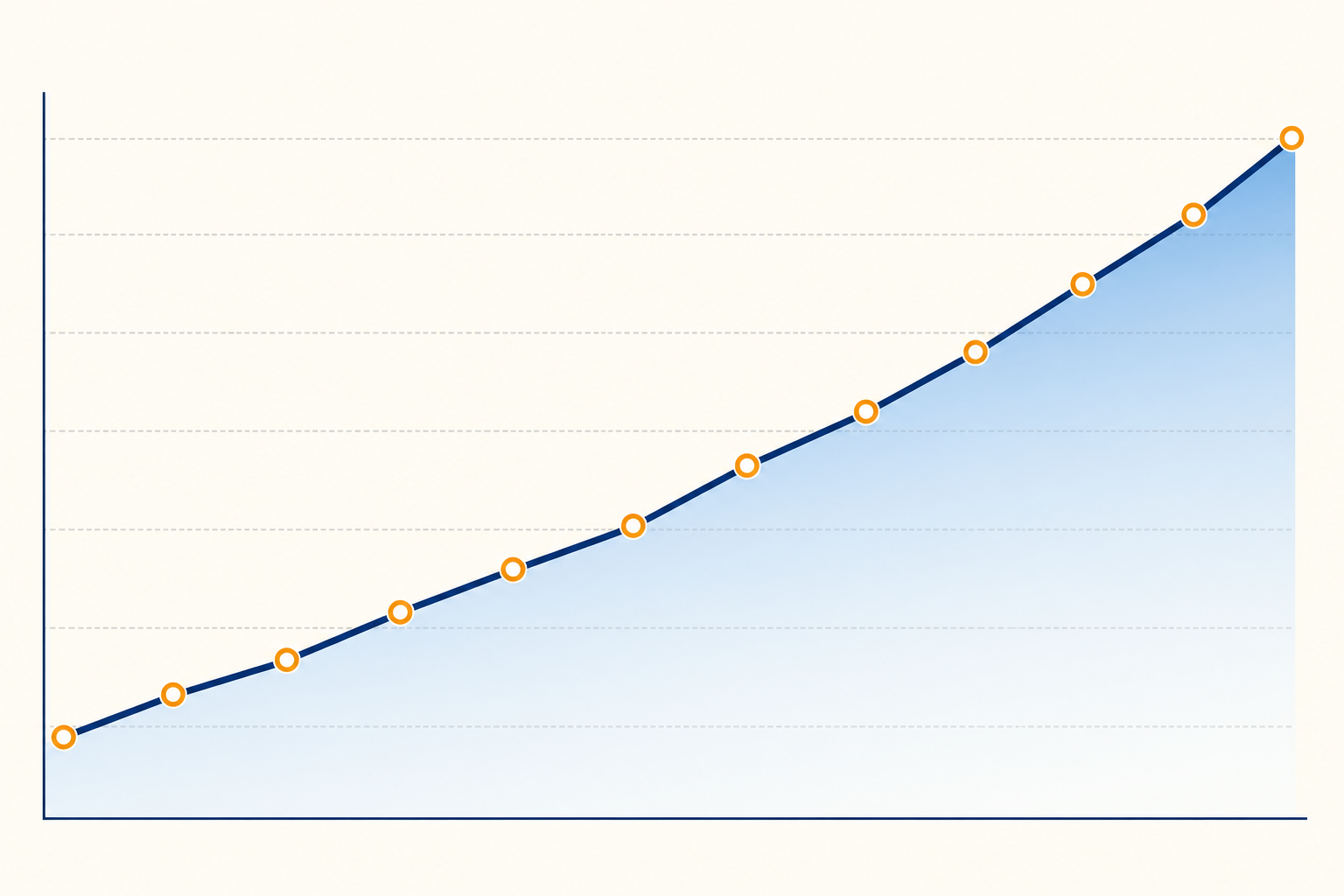
Google Local Services Ads (LSAs) work differently from standard Google Ads. Instead of paying per click, you pay per lead. That means you only get charged when a homeowner actually calls or messages you through the ad.
The typical HVAC LSA cost per lead ranges from $25 to $75+, making it one of the more affordable paid channels for HVAC companies. However, performance depends on several factors:
- Reviews - More positive reviews and a higher rating help you show up more often and in better positions.
- Responsiveness - Google tracks how quickly you answer calls and respond to messages. Slow response means fewer leads.
- Competition - In crowded markets, more HVAC companies are competing for the same LSA spots.
- Location - LSA costs vary by metro area. Dense urban markets tend to cost more.
- Service categories - The services you select in your LSA profile affect which searches trigger your ad.
LSAs work well for generating phone calls from homeowners who are actively looking for HVAC service. The Google Guarantee badge also adds a layer of trust. But LSA leads can sometimes be lower quality (wrong service area, tire-kickers, spam calls), so it is important to dispute invalid leads and track which ones actually book.
For most HVAC companies, LSAs should be part of the mix alongside Google Ads and SEO, not a replacement for them.
Facebook Ads CPL
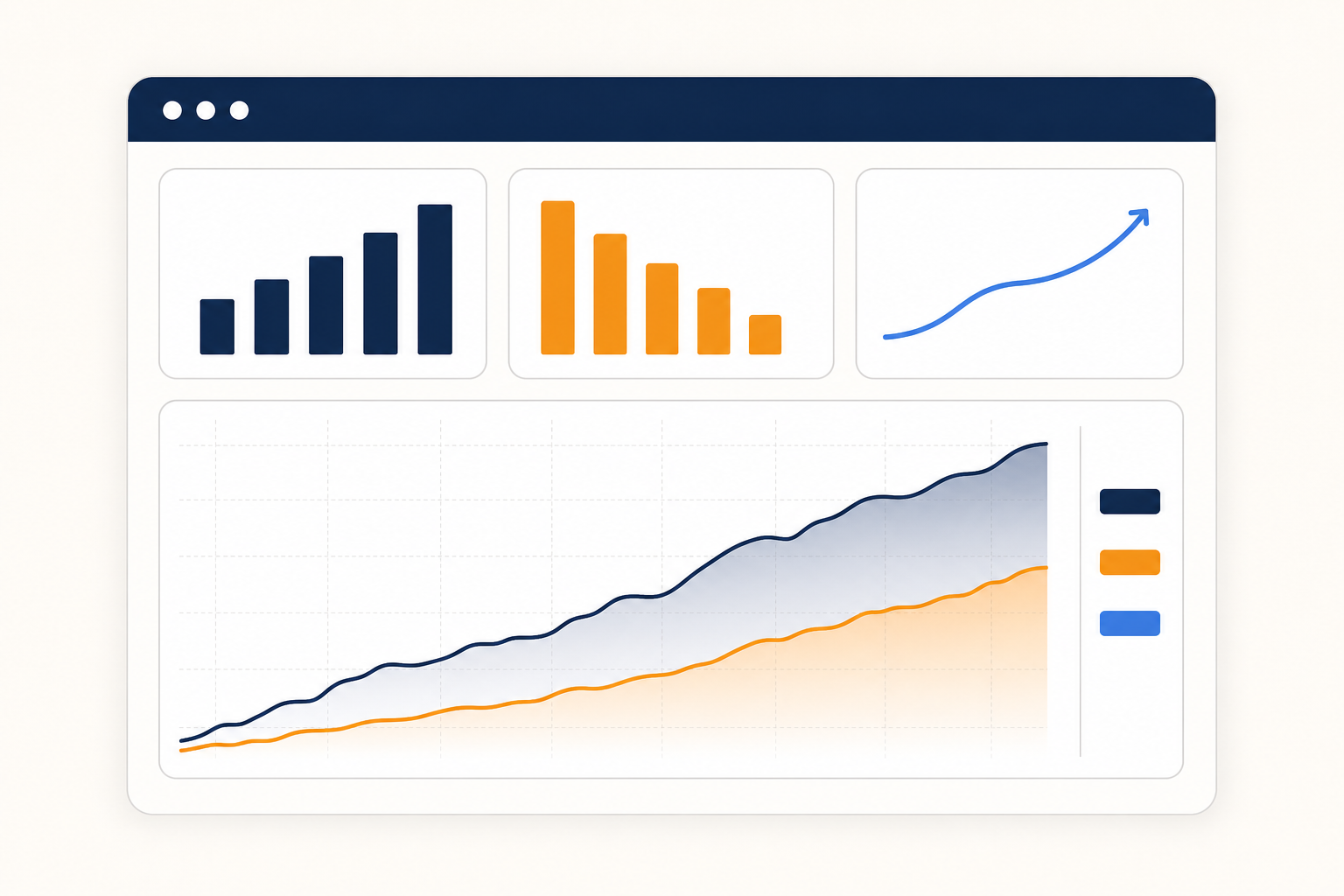
Facebook Ads for HVAC work differently than search-based channels. People on Facebook are not actively looking for an HVAC contractor. They are scrolling through their feed. That means the intent is lower, but the cost per lead is also typically lower.
The typical HVAC Facebook Ads cost per lead ranges from $25 to $75+, depending on the offer, targeting, and creative quality.
Facebook tends to work best for HVAC companies in these scenarios:
- Tune-up and maintenance offers - A $49 AC tune-up special can generate a high volume of leads at low cost.
- Seasonal promotions - Pre-summer AC checks or pre-winter heating inspections perform well when timed right.
- Maintenance plan signups - Offering an annual plan with priority service and discounts can attract homeowners.
- Retargeting - Showing ads to people who already visited your website but did not call or fill out a form.
- Brand awareness - Staying visible in your service area so homeowners think of you when they need service.
The trade-off with Facebook is that leads tend to be earlier in the buying process. They may not need service today, which means your follow-up process matters more. Speed-to-lead and a strong nurture sequence (calls, texts, emails) can make the difference between a Facebook lead that books and one that goes cold.
Facebook is not a replacement for Google Ads or SEO for HVAC, but it can be a profitable addition when used for the right offers and paired with solid follow-up.
SEO Lead Cost for HVAC
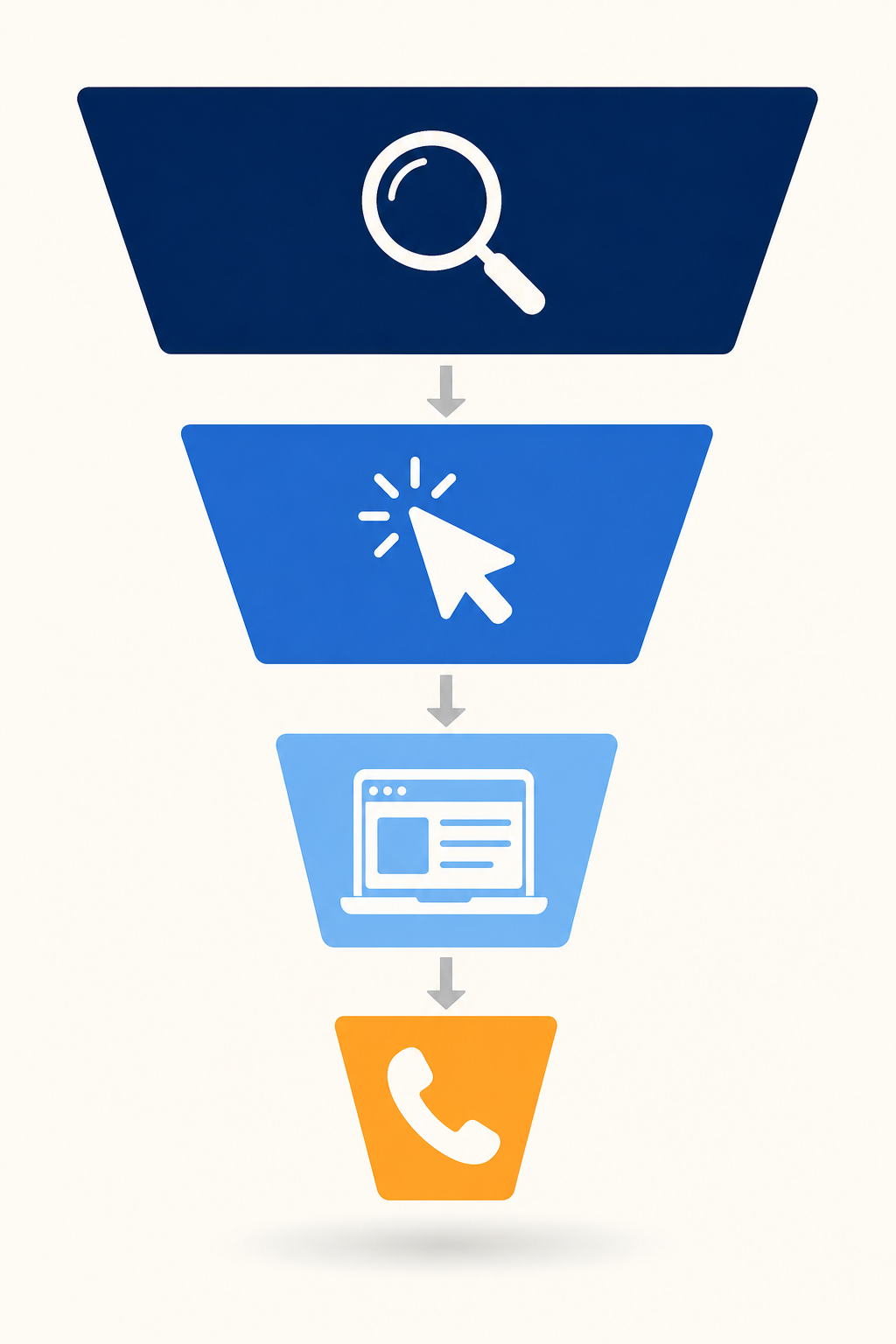
HVAC SEO is a long-term strategy. Unlike paid ads where you pay for every click, SEO builds organic visibility that generates leads without a per-click cost. But SEO is not free. It requires upfront and ongoing investment in content, technical optimization, and local signals.
The effective cost per lead from SEO decreases over time as your rankings improve and your website attracts more organic traffic. After 6 to 12 months of consistent work, many HVAC companies see their organic CPL drop well below what they pay on Google Ads.
HVAC SEO works best when it includes:
- Google Business Profile optimization - Complete profile, regular posts, photos, and review management.
- Service pages - Dedicated pages for each service (AC repair, furnace installation, duct cleaning, etc.).
- City and service-area pages - Pages targeting each city or neighborhood you serve.
- Reviews - A steady flow of Google reviews with keywords and service mentions.
- Local backlinks - Links from local directories, suppliers, and community organizations.
- Helpful blog content - Articles that answer questions homeowners are searching for.
- Technical website improvements - Fast load times, mobile-friendly design, proper schema markup.
The main advantage of SEO is that once you rank, you are not paying for every lead. The main disadvantage is that it takes time. Most HVAC companies should invest in SEO alongside paid channels, not instead of them.
Do not let anyone tell you SEO leads are free. The investment is real. But the effective CPL can become significantly lower over time because you are building an asset that generates leads without paying for each click.
To learn more about how we approach local search for HVAC companies, visit our SEO Services page.
What Affects HVAC Lead Generation Cost?
Many factors influence what you pay per lead. Some are market conditions you cannot control. Others are things you can directly improve.
Market and external factors:
- Seasonality - Lead costs spike during peak demand (summer for AC, winter for heating). Everyone is bidding more aggressively when homeowners need service most.
- Location - Dense, competitive metros have higher CPLs than smaller markets. A lead in Miami costs more than a lead in a rural town.
- Competition - More HVAC companies advertising in your area means higher auction prices on Google Ads and LSAs.
- Service type - Installation and replacement keywords cost more than maintenance or tune-up keywords because the job value is higher.
Factors you can control:
- Offer quality - A compelling offer (free diagnostic, $49 tune-up, financing options) improves conversion rates and lowers effective CPL.
- Landing page conversion rate - A fast, clear, mobile-friendly landing page with strong calls to action converts more visitors into leads.
- Ad quality - Better ad copy, relevant keywords, and high Quality Scores in Google Ads mean you pay less per click.
- Call tracking - Without call tracking, you cannot see which campaigns and keywords are generating real leads versus wasted spend.
- Speed-to-lead - How fast you answer the phone or respond to a form submission directly affects whether a lead books or calls your competitor.
- Missed calls - Every missed call is a paid lead that goes to waste. If you are paying $100 per lead and missing 20% of calls, you are throwing away $20 per lead on top of your CPL.
- Follow-up process - Leads that do not book on the first call need follow-up. Without a system for callbacks, texts, and emails, you lose leads you already paid for.
Here is the key insight: if your business misses calls, responds slowly, or does not follow up with form submissions, your CPL may look fine on paper, but your cost per booked job goes up fast. The gap between leads generated and jobs booked is where most HVAC companies lose money.
How to Calculate HVAC Marketing ROI
Knowing your CPL is a starting point, but it does not tell you whether your marketing is profitable. You need to track three numbers:
Cost Per Lead = Marketing Spend / Number of Leads
This tells you what you are paying to generate each lead. If you spent $5,000 on Google Ads and got 40 leads, your CPL is $125.
Cost Per Booked Job = Marketing Spend / Number of Closed Jobs
This is the number that actually matters for your business. If those 40 leads turned into 12 booked jobs, your cost per booked job is $417. That accounts for leads that did not answer, were not qualified, or chose a competitor.
Marketing ROI = (Revenue from Marketing - Marketing Cost) / Marketing Cost
If those 12 jobs generated $72,000 in revenue and you spent $5,000 on marketing, your ROI is ($72,000 - $5,000) / $5,000 = 13.4x return. For every dollar you spent, you got $13.40 back in revenue.
But revenue ROI is not the full picture. What matters most is profit. HVAC companies need to account for labor, materials, equipment, dispatch costs, and overhead. A job that brings in $6,000 in revenue but costs $4,200 to deliver only produces $1,800 in gross profit. Your marketing ROI should be calculated against profit, not just top-line revenue.
To calculate these numbers accurately, you need:
- Call tracking tied to specific campaigns and keywords
- A CRM that follows leads from first contact to closed job
- Revenue tracking by lead source
Without this data, you are guessing. And guessing with thousands of dollars per month is expensive.
For more on measuring marketing performance, read our article on Marketing ROI Calculation.
How to Lower HVAC Cost Per Lead Without Hurting Lead Quality
Lowering your HVAC cost per lead is not about spending less. It is about getting more qualified leads from the same budget. Here are the most effective tactics:
Google Ads optimization:
- Build a negative keyword list - Block searches that waste budget. Common HVAC negative keywords include: jobs, school, certification, salary, DIY, free, parts, manual, YouTube, course, training. Review your search terms report weekly and add irrelevant queries.
- Remove junk searches - Audit your search terms regularly. You will find searches like "how to fix AC myself" or "HVAC technician jobs" eating your budget.
- Separate campaigns by service type - Repair, installation, and maintenance campaigns should have different budgets, bids, and landing pages.
- Tighten location targeting - Only show ads in the areas you actually serve. Radius targeting or zip code targeting prevents wasted clicks from outside your service area.
- A/B test headlines, forms, and buttons - Small changes to ad copy and landing page elements can produce significant improvements in conversion rate.
Landing page improvements:
- Improve page speed - A landing page that loads in under 3 seconds converts significantly better than one that takes 5 or more.
- Use clear calls to action - One phone number, one form, one clear next step. Do not make visitors think about what to do.
- Add trust signals - Reviews, licenses, insurance badges, years in business, and guarantees all reduce friction.
Local SEO and Google Business Profile:
- Optimize your Google Business Profile - Complete every field, add photos regularly, respond to reviews, and post updates.
- Build service-area pages - Create pages targeting each city and neighborhood you serve to capture more organic traffic.
Tracking and operations:
- Use call tracking - You cannot improve what you cannot measure. Call tracking shows which keywords and campaigns generate real phone calls.
- Answer every call - Missed calls are wasted leads. If you cannot answer during peak hours, use an answering service.
For example, in one HVAC campaign, cleaning up search terms, tightening location targeting, and improving landing page relevance helped reduce CPL from $180 to $105. This is not a guaranteed result, but it shows what is possible when you focus on the fundamentals.
For more on avoiding costly mistakes, read our article on HVAC PPC Mistakes.
Why Cheap HVAC Leads Can Cost More in the Long Run
It is tempting to chase the lowest possible CPL. But cheap leads often come with hidden costs that make them more expensive than they appear.
When campaigns are too broad, targeting is too loose, or you are buying shared leads from a broker, you end up with:
- Low close rates - Unqualified leads waste your sales team's time. If your dispatcher or technician spends 10 minutes on every dead-end call, that time has a real cost.
- Missed opportunities - While your team chases bad leads, good leads go to voicemail or wait too long for a callback.
- Wasted sales capacity - Your team can only handle so many calls per day. Filling that capacity with junk leads means fewer slots for real customers.
- Brand damage - If your ads show up for irrelevant searches or you are calling people who never asked for HVAC service, you look spammy and unprofessional.
The goal is not to get the most leads. The goal is to get the most profitable customers.
A focused campaign that generates 30 qualified leads at $120 each will almost always outperform a broad campaign that generates 100 low-quality leads at $40 each. The math works out better when you factor in close rates, average job value, and the operational cost of handling each lead.
Invest in lead quality, not just lead volume. Your close rate, revenue per job, and team morale will all improve.
Final Thoughts: Focus on Profit, Not Just CPL
HVAC lead generation cost is not just about getting the cheapest leads possible. It is about understanding which channels generate qualified homeowners, booked appointments, and profitable jobs.
The HVAC companies that grow consistently are the ones that track their numbers, know their cost per booked job (not just cost per lead), and invest in the channels and systems that produce the best return on profit, not just revenue.
If you are spending money on Google Ads, LSAs, Facebook, or SEO and you cannot clearly see which leads are turning into real jobs and real profit, you have a tracking problem before you have a lead cost problem. Fix the tracking first, then optimize the spend.
If you want a clearer picture of where your HVAC marketing budget is going, Roxfire can review your Google Ads, SEO, landing pages, and tracking setup. Book a free marketing audit today and we will show you exactly where your leads are coming from, what they are costing, and where the opportunities are to improve.
Cost per lead is one input into a wider plan. The full picture, including budget split and seasonality, is in our 2026 HVAC marketing strategy.
Want to Know Exactly What Your HVAC Leads Cost?
Roxfire builds data-backed HVAC marketing systems with clear tracking, transparent reporting, and a focus on booked jobs, not just lead volume. Let us audit your current campaigns and show you where the opportunities are.