
Let's be honest. Traditional marketing often feels like you're just throwing money at a wall and hoping something sticks. You pay for exposure and cross your fingers. Performance marketing flips that on its head. You only pay when you get real results—a click, a lead, a sale. That's it.
In 2026, this isn't just a trend; it's how marketing gets done. Things like AI optimization and privacy-focused tracking are now the price of entry. This guide will show you how to build and run performance marketing campaigns that actually make you money.
What is Performance Marketing, Really?
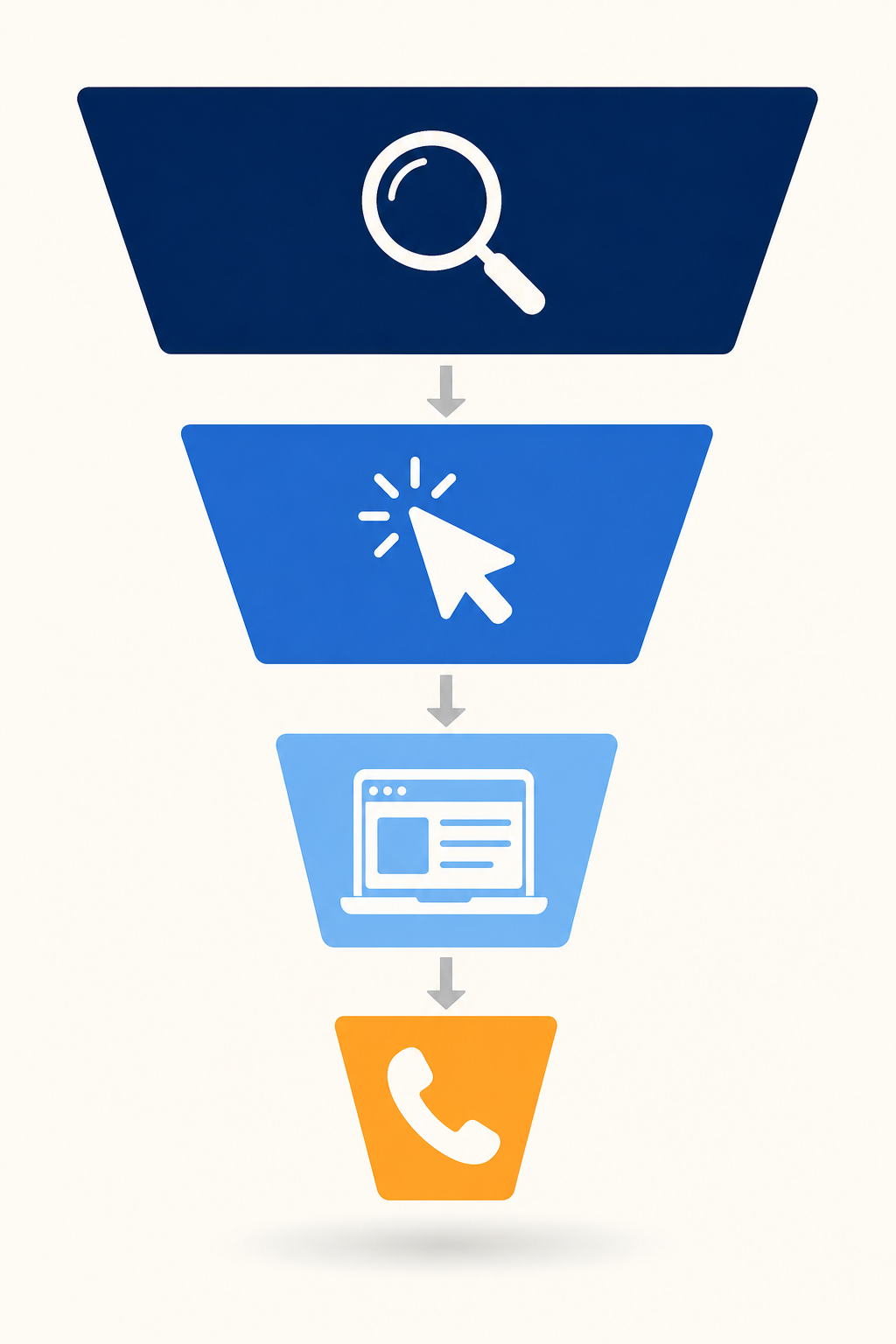
Performance marketing is just what it sounds like: marketing where you pay for performance. It’s a blanket term for any online marketing where you only pay when a specific action happens. That could be a click, a new lead, a sale, or an app install—any conversion you can measure.
The big deal here is accountability. Every dollar you spend is tied to a specific result. That means you can calculate your exact return on investment (ROI) and tweak your campaigns on the fly based on what the data is telling you.
Here’s what makes performance marketing different:
It’s All Measurable — From the first ad someone sees to the final sale, every step is tracked. You get a crystal-clear picture of what’s working and what’s a waste of money.
You Pay for Results — No more paying for impressions and getting nothing back. Your costs are directly linked to the outcomes you care about.
You Can Optimize in Real-Time — Because you’re constantly measuring, you can adjust your campaigns as they run to improve results and cut wasted spend.
It’s Scalable — Found a campaign that works? Great. Now you can pour more money into it and scale up your results without losing efficiency.
Why You Can't Ignore Performance Marketing in 2026
The move to performance marketing has been picking up steam for a while now. And for good reason. A recent study found that 78% of CMOs are now tying their marketing budgets directly to revenue. The pressure is on to deliver results.
Here’s why this shift is happening:
Economic Reality — When the economy gets tight, you can't afford to burn cash on marketing that doesn't work. Performance marketing gives you the numbers to justify your spend to the people holding the purse strings.
Smarter Tech — The tools we have now for tracking, attribution, and optimization are incredibly powerful. What used to be a guessing game is now driven by data.
It's a Competitive Game — Your competitors are already using performance marketing. If you’re still stuck on old-school brand advertising, you’re falling behind. The ability to fine-tune your campaigns in real-time gives you a massive edge.
How Customers Buy Today — People do their homework before they buy anything. Performance marketing lets you show up at every step of their research, measuring what works and what doesn’t along the way.
Your Key Performance Marketing Channels
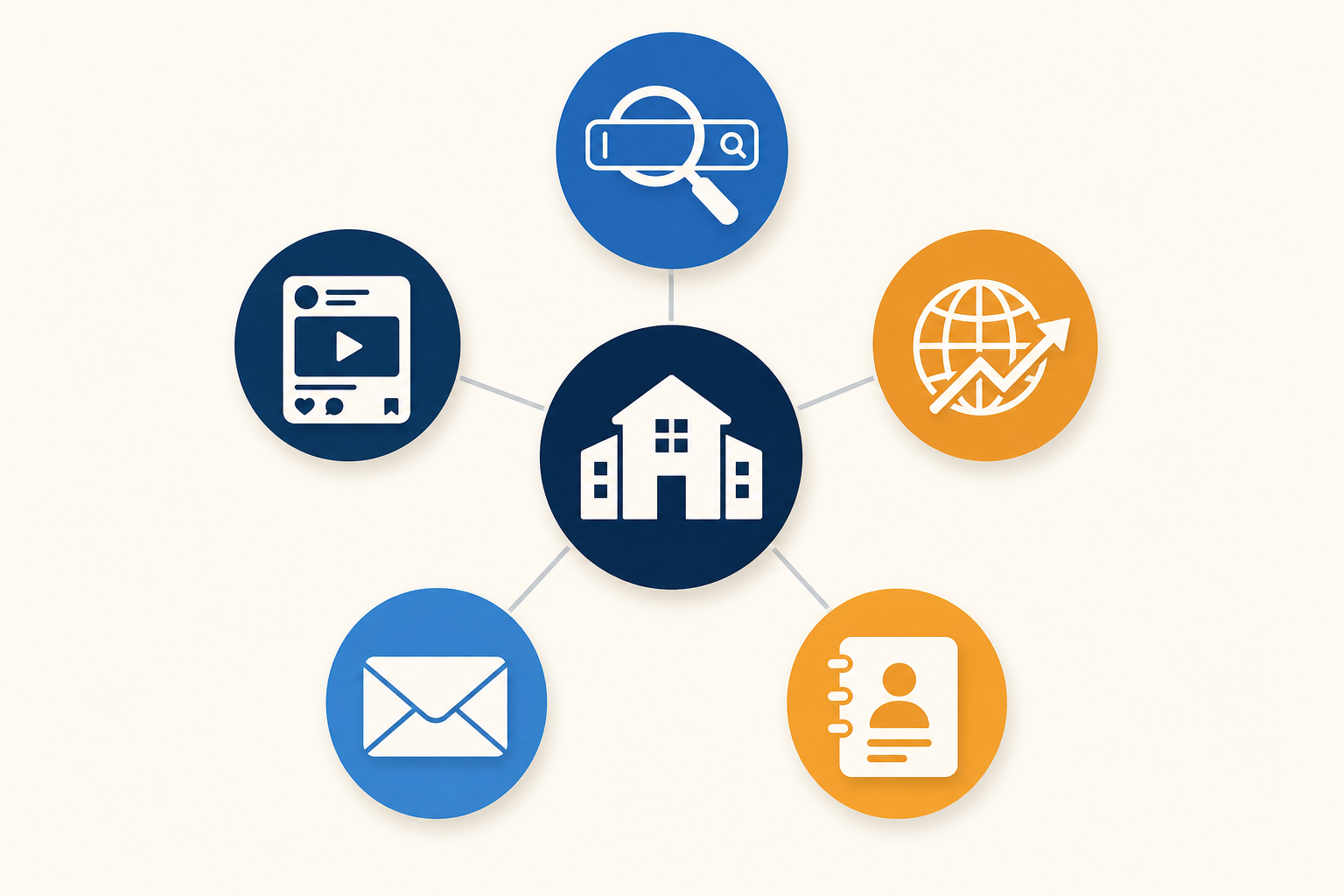
Performance marketing isn't just one thing; it’s a mix of different channels. Knowing which ones to use and when is the key to a winning strategy.
Paid Search (Google Ads, Microsoft Ads)
This is the foundation of most performance strategies. When someone is actively searching for what you sell, you need to be there. It’s the most efficient way to capture demand that’s already out there.
Google Ads is the big player, but don't sleep on Microsoft Ads. It often has a lower cost-per-click and can be a goldmine for B2B companies.
Paid Social (Meta, LinkedIn, TikTok)
Social ads are all about creating demand. You’re reaching people who fit your ideal customer profile but aren’t actively looking for you yet. Meta (Facebook and Instagram) has incredible targeting options. For B2B, LinkedIn is a must. And TikTok is the place to be if you want to reach a younger audience with video.
Programmatic Display and Video
This is where you use automated tech to buy ad space across the web. It used to be more for brand awareness, but the targeting has gotten so good that it’s now a serious performance channel.
Affiliate Marketing
Here, you partner with other people or businesses to promote your products for a cut of the sales. It’s a pure pay-for-performance model—you only pay when you make money.
Email Marketing
People sometimes forget about email, but it’s still one of the highest-ROI channels you’ve got. If you track it right, every email you send can be a mini-performance campaign.
Metrics That Actually Move the Needle
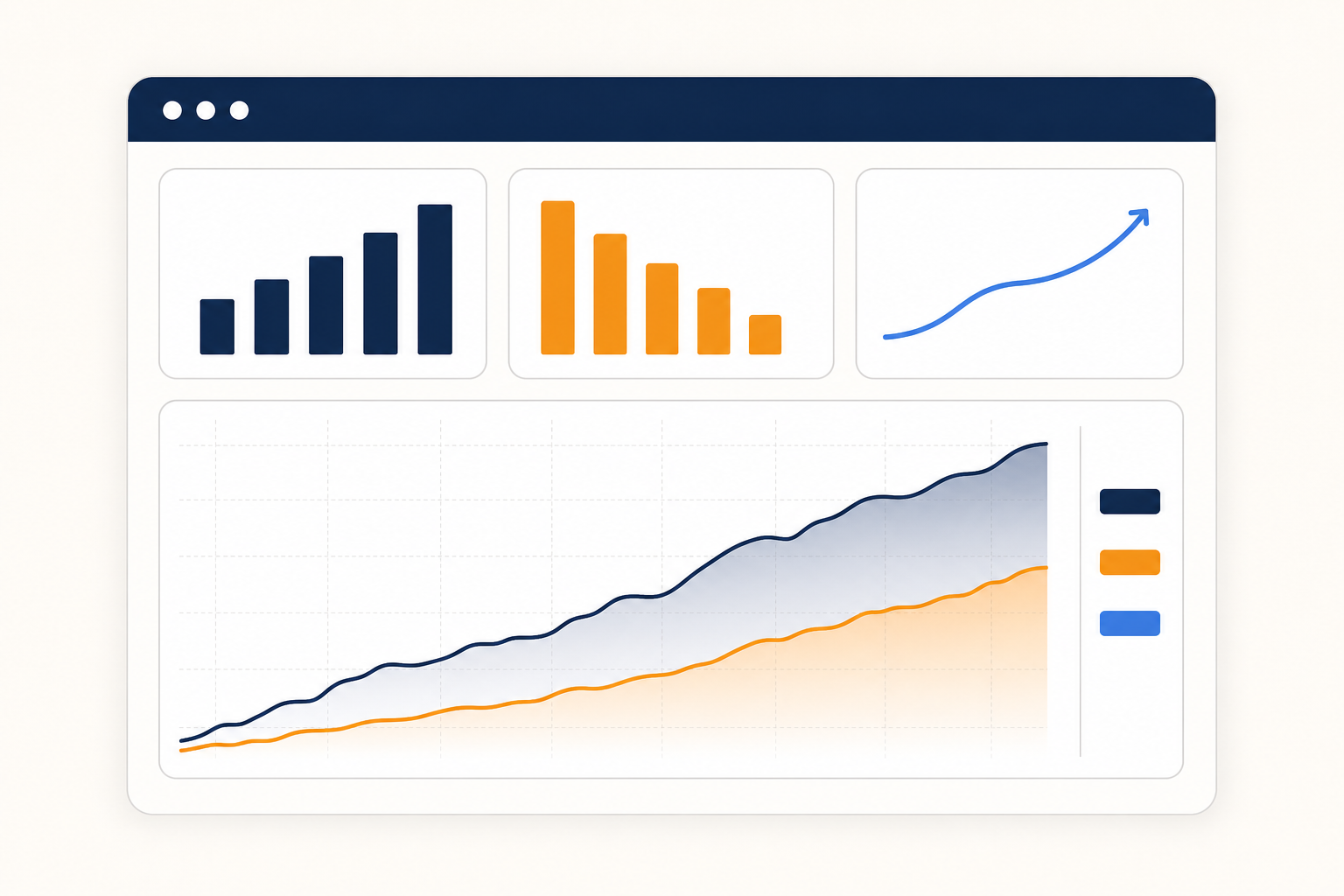
One of the biggest mistakes we see is people chasing the wrong numbers. Vanity metrics like impressions and clicks don’t mean much if they don’t lead to actual business.
Primary Metrics (The Ones That Matter)
Revenue — The big one. How much money did your marketing actually bring in?
Return on Ad Spend (ROAS) — For every dollar you spend on ads, how many do you get back? A 3.0 ROAS means you’re making $3 for every $1 spent.
Customer Acquisition Cost (CAC) — How much does it cost you to get a new customer, all in?
Lifetime Value (LTV) — How much is a customer worth to you over their entire relationship with your business? Your LTV to CAC ratio tells you if you’re building a profitable business.
Secondary Metrics (The Health-Check Numbers)
Cost Per Lead (CPL) — How much you’re paying for each lead. This is a key number if you know your lead-to-customer conversion rate.
Conversion Rate — What percentage of people who visit your site actually do what you want them to do? Improving this makes all your other marketing work harder.
Click-Through Rate (CTR) — Of the people who see your ad, how many click it? A higher CTR usually means your ad is relevant and well-written.
Quality Score — Google’s grade for your ads. A better score means you pay less and get better ad spots.
Metrics to Ignore (Mostly)
Impressions, reach, and engagement are fine for brand awareness, but they’re not performance metrics. A million impressions mean nothing if they don’t turn into revenue.
Building a Performance Marketing Strategy That Works

A solid performance marketing strategy doesn’t happen by accident. It takes a plan. Here’s how to build one:
Step 1: Set Clear Goals
Start with specific, measurable goals that are tied to your business. "Get more brand awareness" isn’t a goal. "Generate 100 qualified leads a month for under $150 CPL" is.
Get specific about your targets, timeline, and budget. This is the only way to know if you’re winning.
Step 2: Know Your Customer’s Journey
Map out how people find you, check you out, and decide to buy. You’ll need different messages for each stage of that journey.
At the start, they need content that helps them understand their problem. In the middle, they need to see why you’re the best solution. At the end, they need a clear, easy way to buy.
Step 3: Pick Your Channels
Choose your channels based on where your audience hangs out. If you’re B2B, you’ll probably start with LinkedIn and Google Search. If you’re selling products online, you’ll likely focus on Meta and Google Shopping.
Don’t spread yourself too thin. Start with one or two channels, get good at them, and then expand.
Step 4: Get Your Measurement Right
Before you spend a dime, make sure your tracking is locked in. This means having conversion tracking on your site, connecting your CRM to see which leads turn into revenue, and using an attribution model that makes sense.
Step 5: Launch, Measure, and Tweak
Performance marketing is all about testing and learning. Launch your campaigns, see what the data says, and then make them better.
This means constantly testing your ads, refining your targeting, adjusting your bids, and improving your landing pages.
Common Mistakes We See All the Time
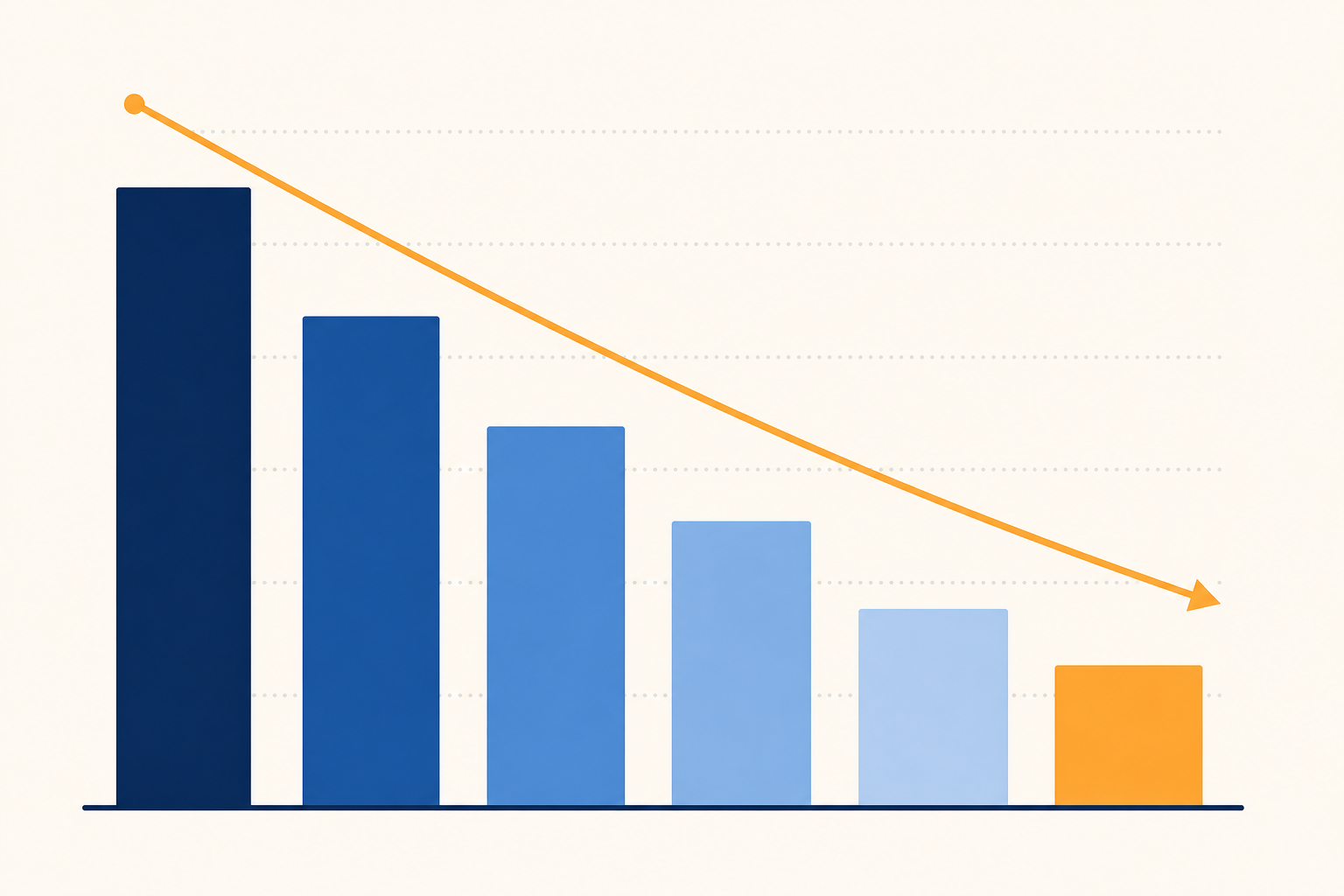
Even seasoned pros make mistakes that kill their performance. Here are the ones we see most often and how to sidestep them:
Chasing the Wrong Metrics
So many marketers get obsessed with clicks and traffic instead of conversions and revenue. Their campaigns look great on paper but don’t actually grow the business. Always tie your work back to business results.
Not Testing Enough
Performance marketing is a game of inches. You have to keep testing everything—your ads, your audiences, your landing pages, your offers. If you just set it and forget it, you’re leaving money on the table.
Ignoring the Full Funnel
If you only focus on people who are ready to buy right now, you’ll eventually run out of customers. You have to balance capturing existing demand with creating new demand.
Bad Attribution
If you only give credit to the very last ad someone clicked, you’re missing the bigger picture. You need to understand how all your channels work together to bring in a customer.
A Lousy Landing Page
The best ad in the world won’t save a bad landing page. Make sure your pages are fast, look great on mobile, and are built to convert. And then A/B test them to make them even better.
Scaling Too Fast
When a campaign is working, it’s tempting to just crank up the budget. But if you scale too fast, you can burn through your best audiences and your results will tank. Scale up slowly and keep a close eye on your numbers.
What's Next in Performance Marketing
This space is always changing. Here’s what’s on the horizon:
AI is Taking Over
AI is already a huge part of performance marketing, from automated bidding to writing ad copy. The platforms are getting smarter, which means you can offload more of the manual work and focus on strategy.
Privacy is Everything
With the death of third-party cookies, the game has changed. You have to get good at using first-party data (the data you collect yourself) and respecting user privacy. The brands that get this right will win.
Cross-Channel is the Norm
Customers don’t live in a single channel, and your marketing can’t either. The future is about creating a seamless experience across search, social, email, and wherever else your customers are.
Discovery through AI assistants belongs on that list too. The practical question for a local business is whether it gets named at all, and optimizing for AI-powered search works differently from traditional ranking.
How to Get Started
If you're ready to get serious about performance marketing, here’s where to begin:
Audit Your Current Setup
Take a hard look at what you’re doing now. What’s working? What’s not? Where are the holes in your measurement? Get a clear baseline before you start making changes.
Start with Search
For most businesses, Google Ads is the place to start. It’s the easiest way to capture existing demand and learn what your customers are looking for.
Nail Your Measurement
Good tracking is everything. Spend the time to set it up right from the beginning. It’ll save you a ton of headaches later.
Test Everything
Go into this with a mindset of testing and learning. Not every campaign will be a home run, but every campaign is a chance to learn something that will make the next one better.
Get Expert Help
Look, this stuff is complicated and it’s always changing. Working with people who live and breathe this every day can save you a lot of time and money. Whether you hire in-house or partner with an agency, make sure you’ve got the right expertise on your team.
Performance marketing gives you the power to build a predictable, scalable growth engine for your business. It’s about focusing on real results, constantly improving, and staying on top of what’s working now.
If you are weighing doing this in-house against bringing in help, the trade-offs are laid out in when to hire a marketing agency.
Ready to Build a Performance Engine?
Let's talk. Book a free strategy call and we'll show you how to build a marketing machine that drives real growth.