
Google Ads can be a powerful engine for generating high quality HVAC leads, but it can also be a furnace that burns through your marketing budget with little to show for it. For many HVAC companies, the dream of a consistent, affordable flow of leads quickly turns into a nightmare of high costs and poor results. The average cost per lead for HVAC on Google Ads can range from $80 to $120, but simple mistakes can easily inflate that number, sometimes doubling it.
This is not because the platform is flawed. It is because the strategy is. Many HVAC contractors make the same critical errors that waste thousands in ad spend every month on irrelevant clicks and low converting traffic. This article outlines the ten most common and costly PPC mistakes we see HVAC businesses make. By identifying and correcting these issues, you can significantly lower your cost per lead, increase your return on investment, and build a predictable lead generation machine for your business.
If you've made any of these mistakes and want someone to fix them, our HVAC marketing team can audit your account and show you exactly where the money is going wrong.
1. Using Broad Match Keywords Recklessly
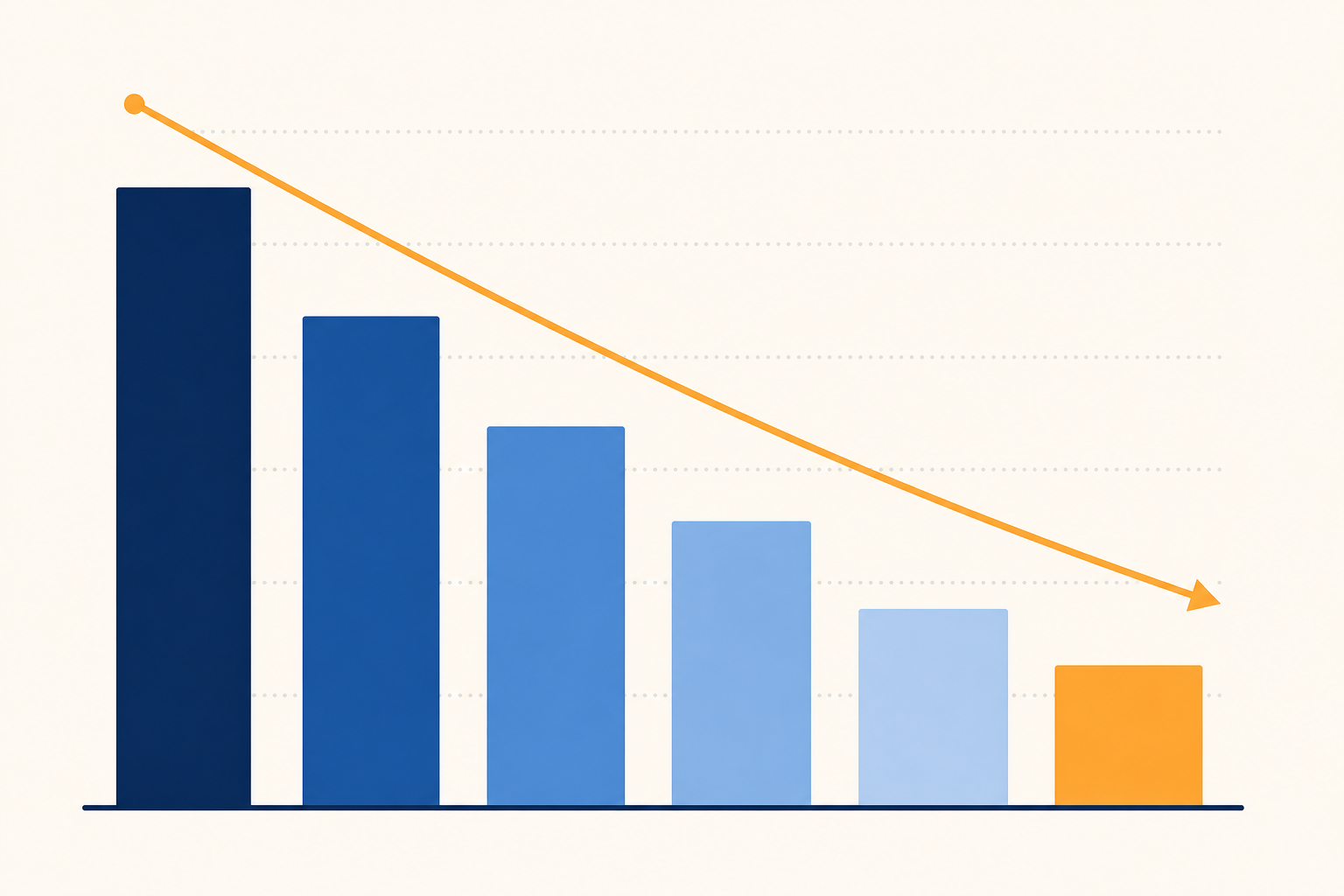
The default keyword match type in Google Ads is broad match, and it is a primary source of wasted ad spend. While Google promotes it as a way to capture a wide audience, it often results in your ads showing for completely irrelevant searches. For an HVAC company, a broad match keyword like hvac repair could trigger your ad for searches like hvac repair school, DIY hvac repair videos, or hvac technician jobs. You end up paying for clicks from people who have zero intent of booking a service.
Instead of broad match, focus your budget on phrase match and exact match keywords. These settings give you much greater control over which search queries trigger your ads. For example, the phrase match keyword "ac repair service" will only show your ad to users searching for that specific phrase, or close variations. This precision targeting ensures your budget is spent on users actively looking for the services you provide, which is the first step to a more efficient campaign.
2. Neglecting Your Negative Keyword List
A negative keyword list is just as important as your list of targeted keywords. This is your primary tool for filtering out irrelevant traffic. Without a robust negative keyword list, you are guaranteed to waste money. Every irrelevant search term that triggers your ad costs you money and lowers your campaign’s performance. Common negative keywords for HVAC include terms like free, DIY, training, jobs, parts, and competitor brand names.
Building this list is an ongoing process. You must regularly review your Search Terms report in Google Ads to see the exact queries people are using to find your ads. When you find an irrelevant query, add it as a negative keyword. We worked with one HVAC client whose cost per lead (CPL) was hovering around $180. After a thorough audit and implementing a comprehensive negative keyword list to clean up their traffic, their CPL dropped to $105 within 60 days. That is a 42% reduction in cost, achieved simply by stopping the waste.
Building the positive side of that list properly matters just as much. See our breakdown of the best HVAC keywords for Google Ads for how to group them by intent.
3. Running Ads Without Call Tracking
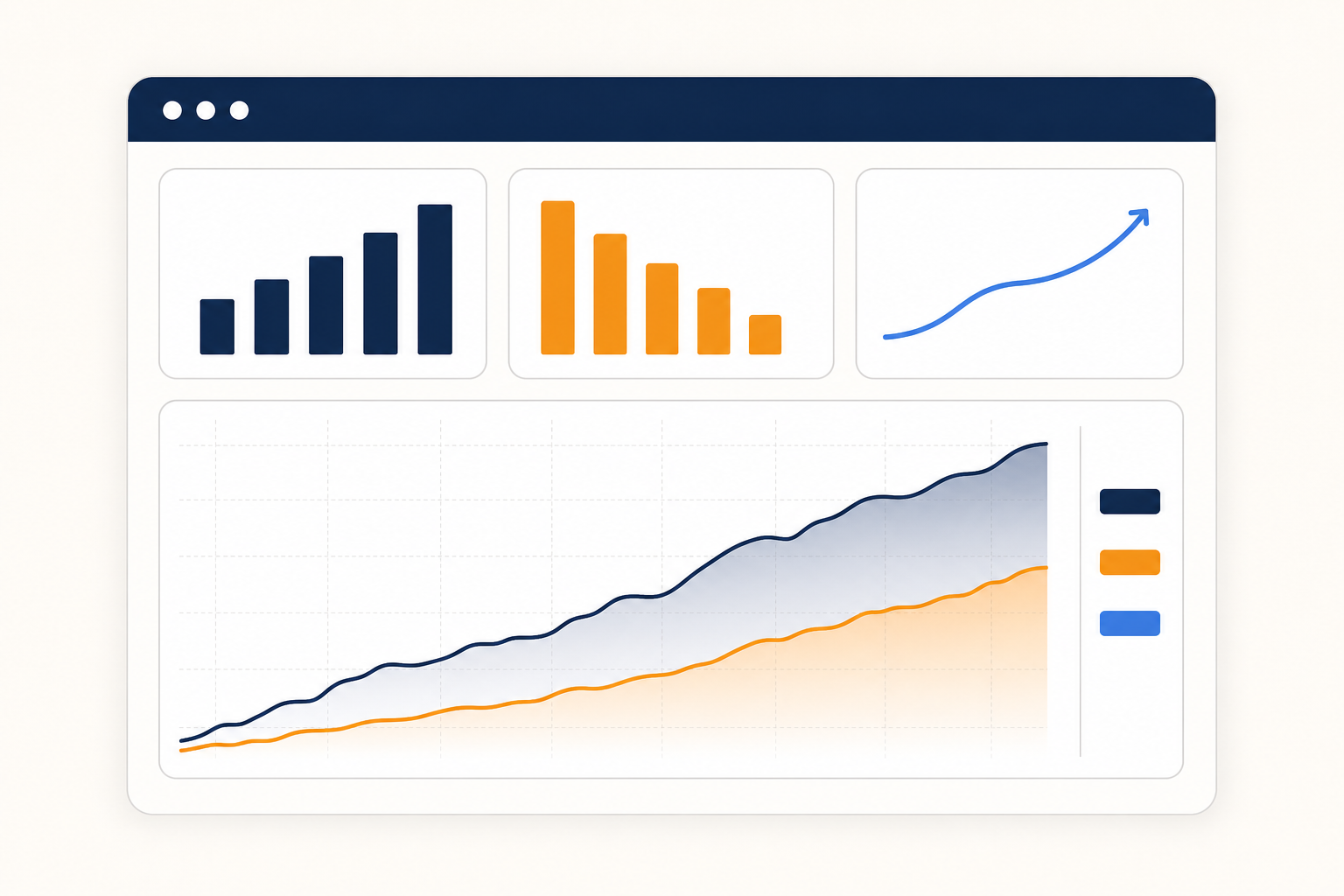
If you are not tracking phone calls, you are flying blind. For HVAC businesses, a significant portion of leads, especially for emergency services, come from phone calls. Without call tracking, you have no way of knowing which keywords, ads, or campaigns are actually making your phone ring. You cannot optimize what you do not measure. Implementing a call tracking solution like CallRail, WhatConverts, or Google's own call tracking allows you to attribute every single call back to its source.
This data is not just a vanity metric. It is actionable intelligence. Knowing that your emergency furnace repair campaign generated 25 calls last month while your AC tune up campaign only generated 5 tells you where to allocate more budget. It proves the ROI of your ad spend and allows you to make data driven decisions to scale what works and cut what does not. Without it, you are simply guessing where your most valuable leads are coming from.
4. Ignoring Ad Scheduling and Running Ads 24/7
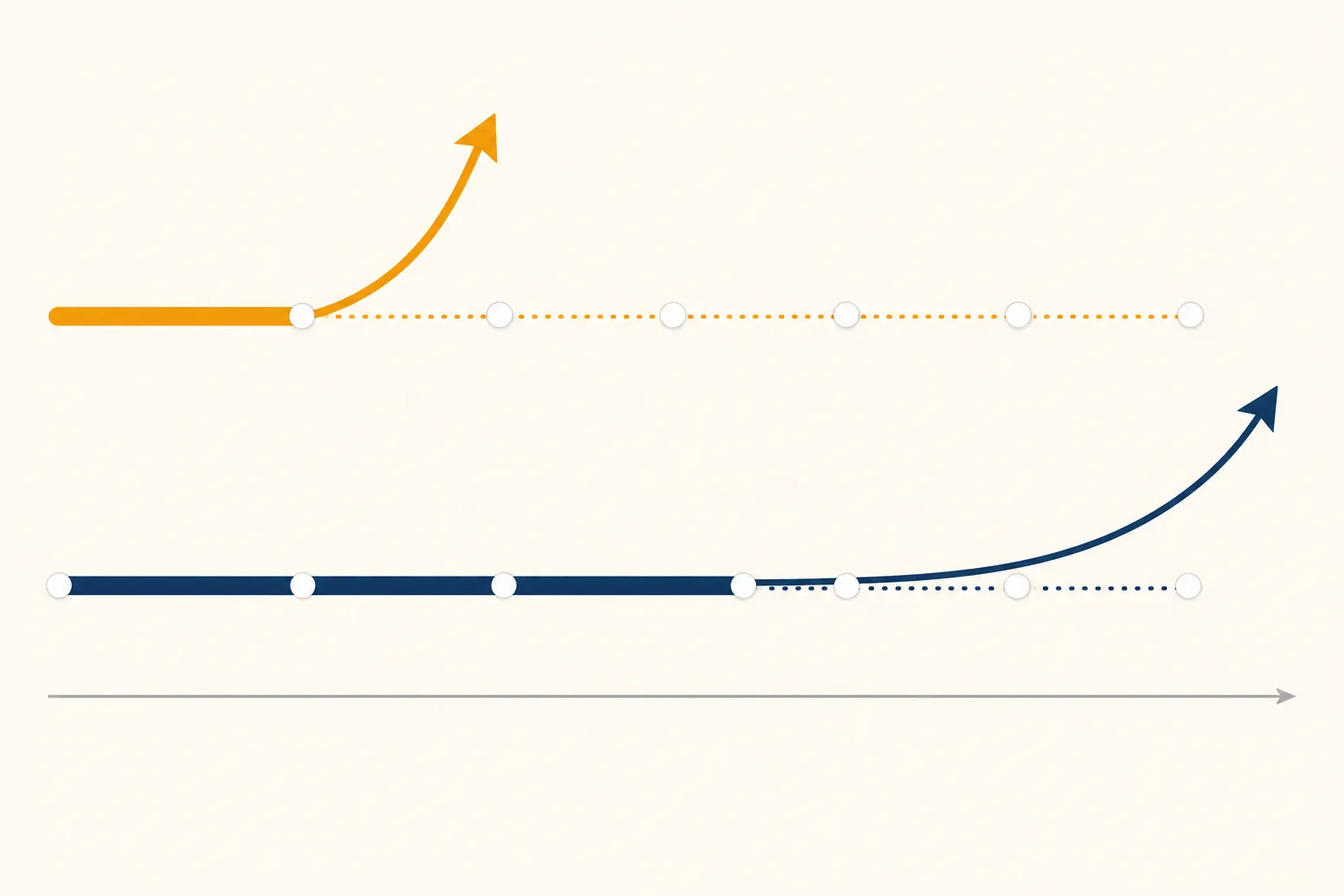
Running your ads 24 hours a day, 7 days a week is a common mistake that drains budgets, especially if you do not offer 24/7 emergency service. Why pay for a click at 3 AM if no one is available to answer the phone and book the appointment? Even if you do offer 24/7 service, conversion rates and search volumes often fluctuate significantly depending on the time of day and day of the week. You may find that leads generated between 8 AM and 6 PM are far more cost effective than those generated overnight.
Use ad scheduling to concentrate your budget on your most profitable hours. Analyze your performance data to identify peak conversion times. If you are a commercial HVAC provider, running ads during business hours from Monday to Friday makes the most sense. For residential emergency services, you might want to be more aggressive in the evenings and on weekends. By aligning your ad schedule with your business hours and peak demand, you ensure that every ad dollar is spent when it has the highest probability of converting into a paying customer.
5. Spreading Your Budget Too Thin Across Services
A common structural mistake in HVAC PPC is creating one campaign with a single budget and dozens of ad groups for every service you offer, from furnace installation to duct cleaning. This approach forces your most profitable, high-value services to compete for budget with lower-margin offerings. A daily budget of $100 spread across 15 different services means each service gets less than $7 per day, which is often not enough to gain any meaningful traction or data.
Instead, structure your campaigns by service category and profitability. Create separate campaigns for your core, high-margin services like AC installation and furnace repair. Give these campaigns their own dedicated budgets to ensure they have enough funding to compete effectively. Services with lower search volume or lower margins can be grouped into a separate campaign. This structure gives you granular control over your spending, allowing you to invest your budget where it will generate the highest return and provide the data needed for effective optimization.
6. Failing to Use Ad Extensions
Ad extensions are a free way to make your ad larger, more informative, and more compelling. They are additional pieces of information, like your phone number, location, or links to specific pages on your site, that can be appended to your main ad text. Google has repeatedly stated that using ad extensions improves your Ad Rank, which can lead to a higher ad position at a lower cost per click. Not using them is like turning down free advertising real estate.
For HVAC companies, several extensions are critical. Sitelink extensions can direct users to pages for specific services like AC Repair or Heating Installation. Call extensions add a clickable phone number, which is essential for mobile users needing emergency service. Location extensions show your business address and help you appear in map related searches. Image extensions allow you to add compelling visuals to your search ads. Using these extensions makes your ad stand out from competitors and provides users with more reasons to click your ad over another.
7. Sending Traffic to a Generic Homepage
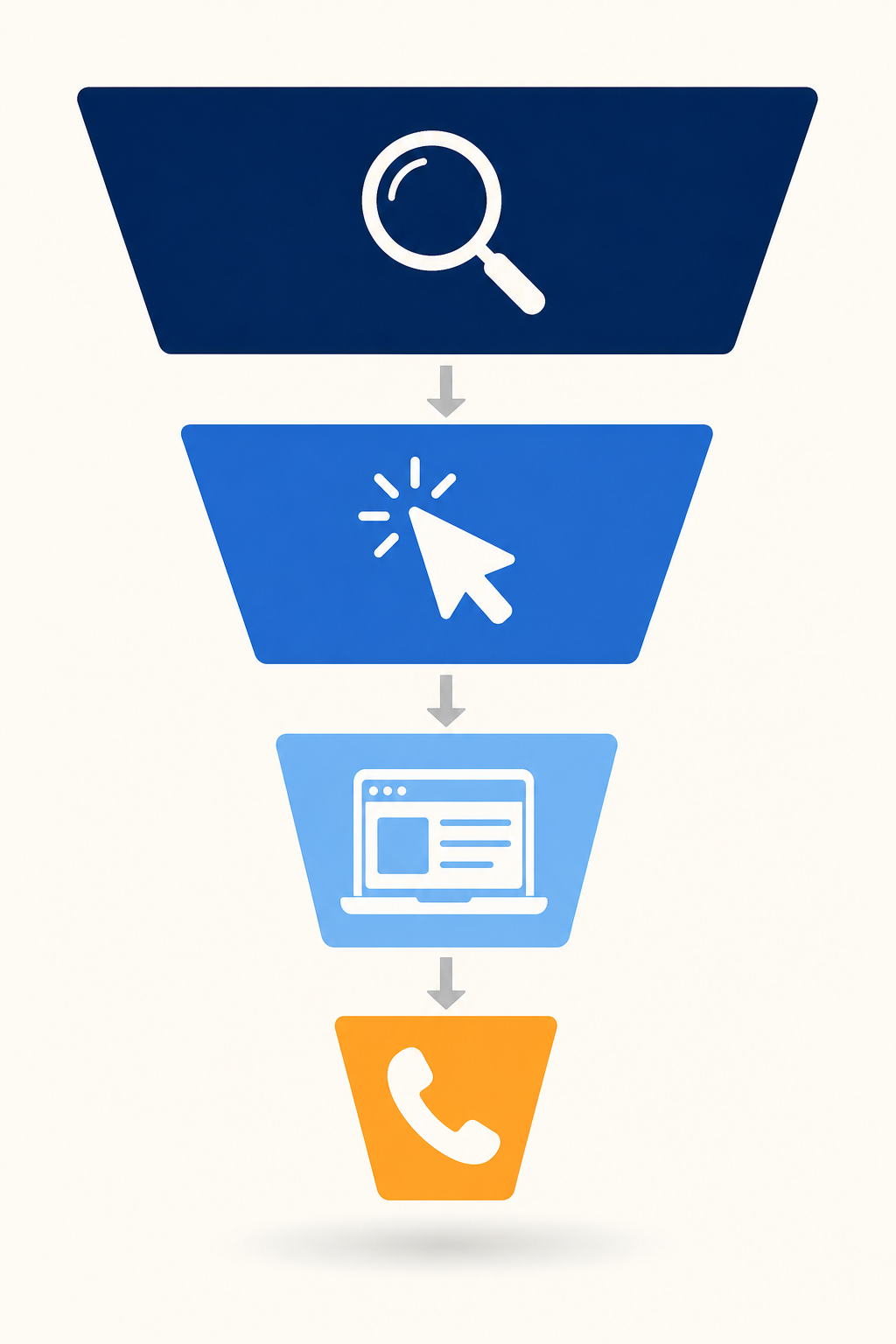
You can have the best ad in the world, but if it sends users to a generic, slow, or confusing landing page, you will not get conversions. Sending all your ad traffic to your homepage is a massive mistake. A user who clicks an ad for emergency AC repair should land on a page that is exclusively about emergency AC repair. The page should have a clear headline that matches the ad, a prominent phone number, a simple contact form, and trust signals like customer reviews and certifications.
This concept is called message match. The message on your landing page must match the message in your ad. When a user finds exactly what they were promised, their confidence increases and they are more likely to convert. A dedicated service-specific landing page will always outperform a generic homepage. We have seen conversion rates double simply by moving traffic from a homepage to a well-designed landing page with a clear call to action. It is one of the highest leverage optimizations you can make.
8. Ignoring the Mobile-First Experience
A significant percentage of searches for HVAC services, especially emergency repairs, happen on a mobile device. If your landing page is not optimized for mobile, you are losing leads. Users are not going to pinch and zoom their way through a clunky desktop site on their phone. They will simply hit the back button and click on your competitor’s ad. Your mobile landing page must load quickly, feature a large, click-to-call phone number at the top, and have a simple, easy-to-complete form.
Beyond just the landing page, your entire PPC strategy should consider mobile users. This means using call extensions so users can call you directly from the ad. It also means bidding more aggressively on mobile devices for emergency-related keywords. Google Ads allows you to set mobile bid adjustments, so you can increase your bids for mobile users to ensure you capture that high-intent traffic. In 2026, a mobile-first mindset is not optional for local service businesses. It is a requirement for survival and growth.
9. Not Using Call-Only Campaigns for Emergencies

For high-intent, emergency searches like broken furnace help or emergency AC service, the user’s primary goal is to speak with someone immediately. They do not want to browse your website. They want to make a phone call. This is where call-only campaigns are incredibly effective. These ads are designed to appear only on devices that can make phone calls, and the headline is replaced with your phone number. The only clickable action is the call itself.
Call-only campaigns remove the friction of a website visit, connecting you directly with a potential customer at their moment of need. This leads to a higher volume of inbound calls and often a better conversion rate for emergency service keywords. While not suitable for all services, they are a must-have for any HVAC company targeting emergency repair keywords. By segmenting your most urgent keywords into a dedicated call-only campaign, you can capture valuable leads that might otherwise be lost.
10. Operating Without Conversion Tracking
This is the most fundamental mistake of all. If you do not have conversion tracking properly installed, you are essentially gambling with your marketing budget. Conversion tracking is how you measure the success of your campaigns. It tells Google which clicks are leading to valuable actions, such as form submissions, phone calls, or booked appointments. Without this data, Google’s automated bidding algorithms cannot optimize for conversions, and you have no real way of knowing your return on investment.
Proper setup means tracking not just form fills on your landing page, but also phone calls from ads and your website. It means assigning a value to each conversion so you can measure return on ad spend (ROAS). Once conversion tracking is in place, you can confidently use automated bidding strategies like Maximize Conversions or Target CPA (Cost Per Acquisition). These algorithms leverage Google's machine learning to find you the most conversions at the best possible price, but they are completely dependent on accurate conversion data. Without it, you are just telling Google to get you clicks, not customers.
If you are rebuilding an account from scratch rather than patching one, start from the HVAC marketing plan instead.
Stop Wasting Money and Start Getting Results
Tired of unpredictable results from your Google Ads? Our team of HVAC marketing experts can audit your account and build a high-performance PPC strategy that delivers consistent, affordable leads. Book a free, no-obligation strategy call today.